
Chinese thinker Sun Tzu once said that a commander who understood their foe as well as themselves “need not fear a hundred battles”.
This wisdom may date back to 500 BC, but it has resonated across the millennia.
Knowing the type, size and position of your opposing force remains as relevant in the age of the UAV as it did in the days of sword and crossbow.
And those overseeing the updated light close reconnaissance commanders’ course understand this all too well.
Knowledge is power, but amid the digital data flows that can rapidly bring weapons to bear, reflexes are critical too.
In an age of conventional conflict against peer adversaries, enemy formations will be sensitive to any compromise of position. Speed to the trigger is vital.
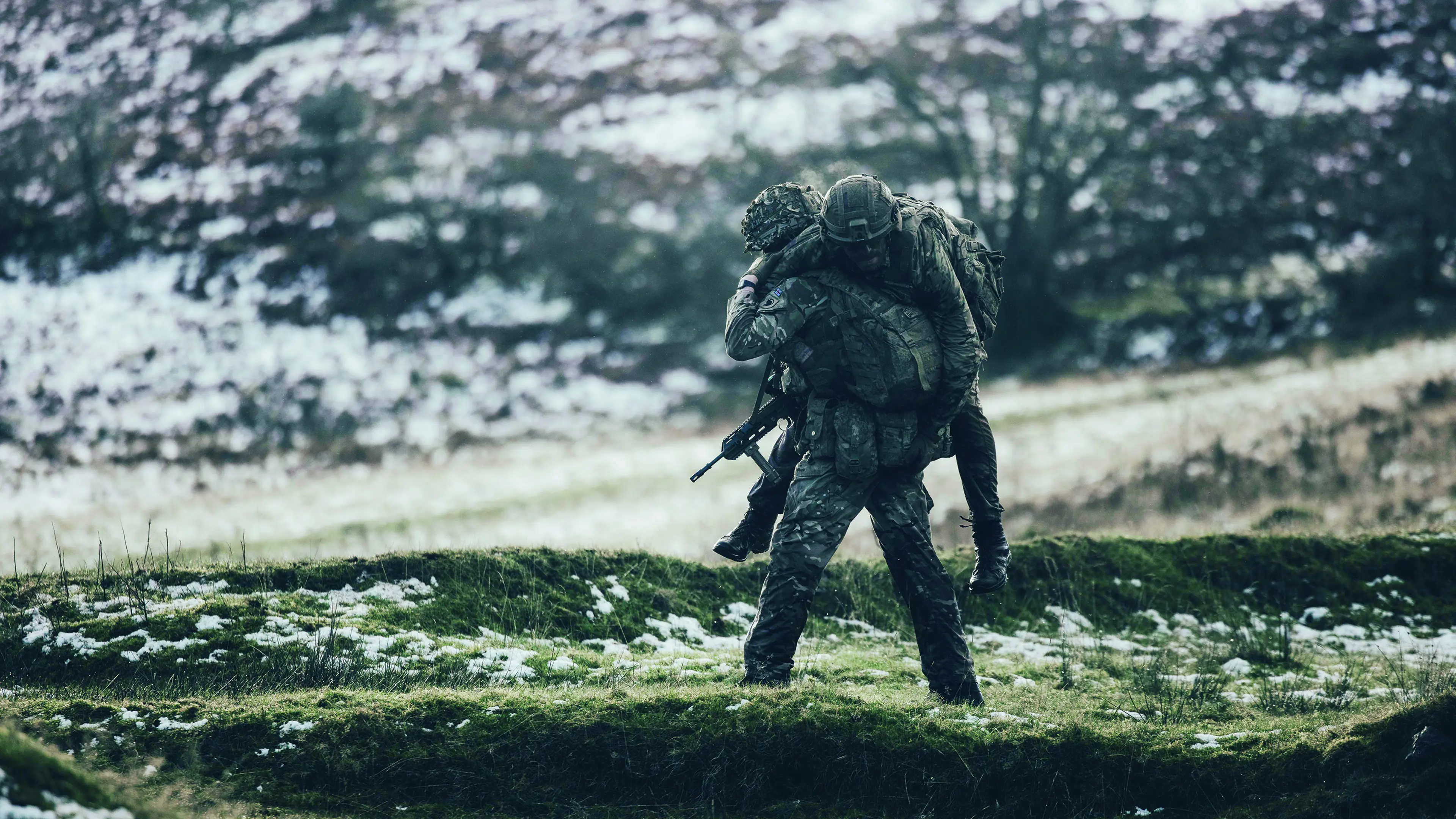
“If you know the enemy and know yourself, you need not fear the result of a hundred battles." - Sun Tzu
“The nature of reconnaissance has not changed over the years – just the tools,” Capt Dominic Parker (R Anglian), part of the team overseeing the eight-week training package run by the Ground Manoeuvre School, Warminster, tells Soldier.
“The syllabus is demanding and those involved can expect to be extensively tested out on the exercise area.
“We only run two courses each year and typically between six and ten of the 20-or-so students do not make the grade – it is tough for those involved.”
With the core skills demanded of those on recce actions, it is unsurprising the main elements of the course have remained unchanged over the years.
Designed to cater for those leading patrols – junior NCOs with the section commanders’ battle course under their belt plus senior counterparts and officers overseeing platoons – those taking part are already proven in the field.
And they certainly need that experience because the past few months have seen moves to up the ante in training realism.
Students no longer have their abilities tested on isolated serials, with their final assessment now conducted in a full-on mock battle scenario.
“As of last year, the final element of the course has been hosted within Exercise Combined Warrior – which is run by the Infantry Battle School and takes place out on the Sennybridge Training Area,” says Capt Parker.
“This means the students now fit in with more than 1,000 soldiers of different cap badges and skills – they have the opportunity to work at a much larger scale.”
In this environment, troops deal with company-level taskings as well as gaining a feel for their role within the bigger picture.
As they head out of the ultimate phase, the soldiers – the bulk of whom are infanteers, although some course spaces are reserved for specialist gunners and sappers – will already have spent upwards of a month in the field.
There they will have honed surveillance and recognition skills in both urban and rural environments.
Those involved soon find that drawing on age-old traditional skills, as well as deploying the latest technology, is essential.
“Navigation is one of the areas personnel tend to struggle with when tested – they must have a good understanding of ground manoeuvre,” Capt Parker says.
Others are surprised by the limits of new kit, such as small uncrewed aerial systems.
“These drones are a case in point – during the last Combined Warrior in December there were many days the troops could not use them,” the officer continues.
“There are a number of considerations to make when deploying this equipment – not least the limited battery life and the weather – clearly cold and windy conditions are going to have an adverse impact.
“Drones are also only suitable for certain tactical situations, so you have to be aware of where and how you could use them – they are not a simple solution.”
Leading on the recce front has always been a demanding task – requiring a set of diverse skills, razor-sharp initiative and a cool head to operate well forward.
But in a battlespace that is so fast moving and where troops are constantly vulnerable, the ability to gather and act on information remains critical to decision makers. A strike at reach can ultimately reduce the need for close-quarters combat.
The nature of the battlespace may have changed, but a commander that knows the enemy, and their own strength, will still have the winning edge.
