
You could be part of the most high-tech defence force on the planet, but unless you get the basics right when toe-to-toe with the enemy all your Gucci kit will amount to zilch.
That's the reality keeping commanders like Maj Euan Philbin (Para) awake at night as they throw their weight behind the Chief of the General Staff's order to double the Army's lethality in the next two years, and treble it by 2030.
Alongside the race to develop more battle-winning weapons, drones, autonomous vehicles and cyber capabilities, another vital mission is under way to ensure that when new kit does roll off the production lines it is matched by capable, and highly robust, soldiers who are excellent at the basics.
And according to the Infantry Battle School's chief instructor, that effort must start today with individuals ensuring they take responsibility for meeting the Brecon standard no matter what their cap badge.
"Ultimately, it's about survival," Maj Philbin tells Soldier.
You need to be able to survive before you can be lethal in your role, and lessons from Ukraine tell us that if you are over-exposed, over-communicating or failing to disperse, you won't last 20 minutes on the battlefield.
Yes, we need more drones to be even more lethal as an Army.
But at the very core of it all, the fact remains we must all be comfortable with the basics of soldiering first and foremost.
We won't keep up with the technological advancement if we are unfit, can't shoot straight or survive in arduous conditions.
"It's also about having a certain mentality, an ability to keep going that winning mindset where you take pride and have a professional approach in every single thing you do."
Here are five things the Infantry Battle School says every Service person must do now to be ready for war...
A large-scale conflict against a near-peer enemy would test British Army supply chains like never before. So troops must know how to make every round count.
"So often in combat it comes down to that final moment when you're face-to-face with the enemy, world-class marksman" Sjt Daniel Stanton (Rifles), captain of the British Army Combat Shooting Team, says.
"If you're terrible at everything else, but your marksmanship is extraordinary you'll probably still have the upper hand.
"Similarly, you could be an excellent soldier but if you can't take that vital shot, that could be it for you."
Having worked with many different cap badges, the common gripe Sjt Stanton hears is that personnel don't get enough time on the range.
"My reply is always the same, that I am happy to deliver training packages to any cap badge if they ask their chain of command to get in touch," he adds.
The more weapon time any soldier gets, the better they will become. But Sjt Stanton insists that personnel can also do more to ensure that time they do get is put to best use.
"That's where individuals can make a difference," he continues.
"A lot of people go to the range with no intention of doing better because they know what it'll be like.
"Try to utilise every opportunity, do as much as you are physically able to while there. Make every round count.
"Even on a poorly run range there are still things to learn."
He adds that improved fitness, especially cardio and upper body strength, will make a better marksman.
And flexibility helps too.
"Improve your ballistic understanding, know what a round does," the senior soldier adds.
Dry firing is another easy way for individuals to upskill. "It's as easy as putting a piece of paper on the wall with a target and using a toy pistol," Sjt Stanton explains.
"I have an Airsoft pistol that I use, and a VR system as well."
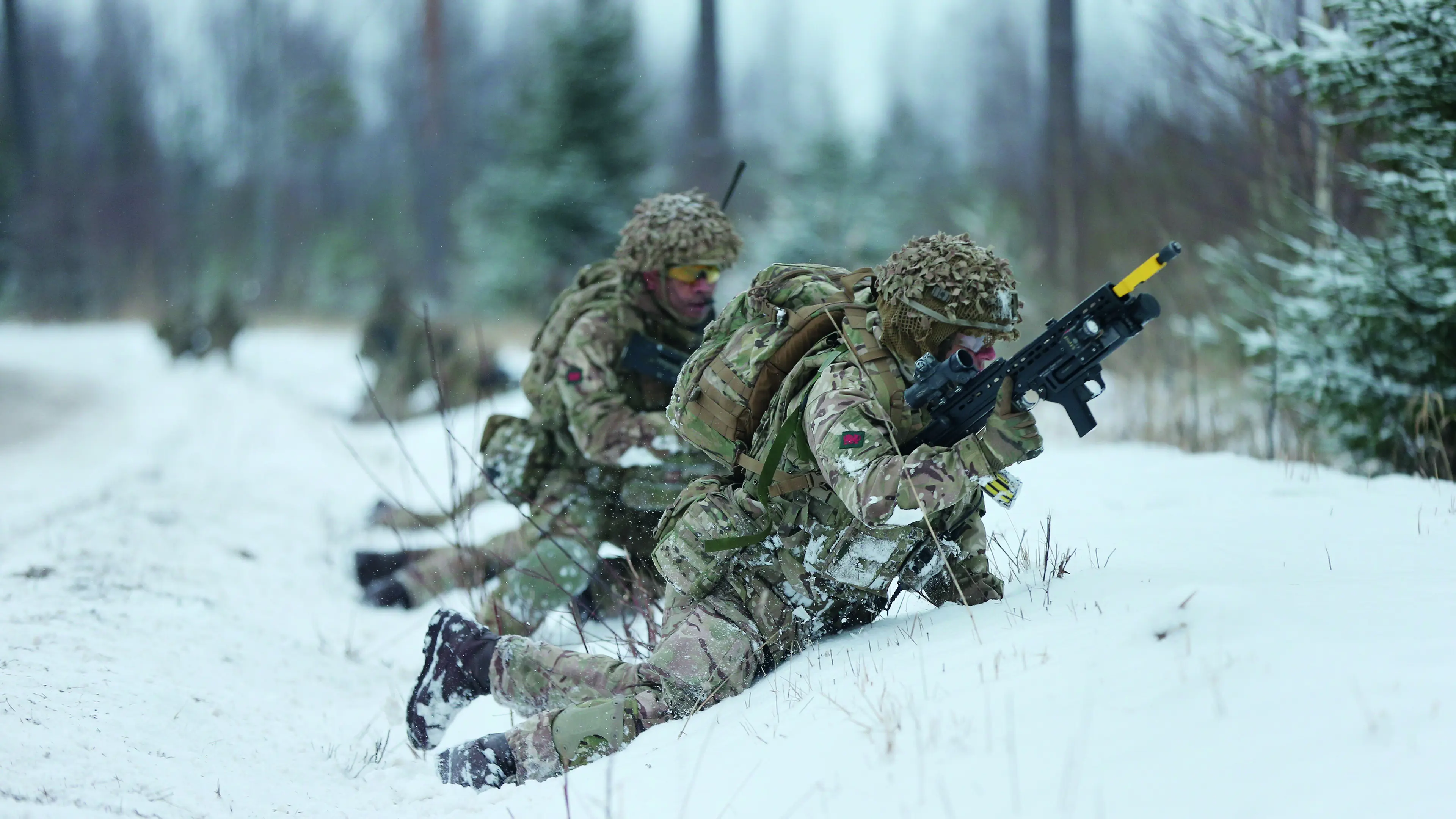
If you're terrible at everything else, but your marksmanship is extraordinary you'll probably still have the upper hand.
"Much of this is about knowing all those fundamentals of soldiering from your first few weeks of training for example, your wet and dry drills," says Capt James Hails (R Yorks), a platoon commander at IBS. "Make sure they are up to scratch.
"Troops need to bring each other on with these skills collectively as well as individually."
Chemical, biological, radiological and nuclear (CBRN) drills must also not be dismissed in a hurry.
"One of the main misconceptions is that CBRN will be an isolated incident and so it is often seen as a box-ticking exercise in training," said Lt Col Robert Warrington (RE), Defence CBRN Centre commandant.
"The reality is that it is an environment, like hot and cold, that can appear on the battlefield in any place and at any time.
"As such, we must be able to operate in this environment and that is why being proficient in our individual skills and drills is so important."
Anyone with questions about this training, or the courses available, should speak to their chain of command.
According to SSgt Dave Rustemier (RE) from the Royal School of Military Survey (RSMS), good old-fashioned map and compass skills are another definite way to increase your fighting power, especially given the likelihood of GPS jamming on future ops.
"Nowadays it doesn't have to be military forces that jam GPS," he adds.
"Your average Joe on the street can do it. Nav skills can easily be brushed up on individually with a bit of time and effort.
"These are the basics you're taught in your early days in the Army," continues Capt Hails.
"Make sure you don't dismiss them as something to get through on your ITRs - these skills needs to be constantly tested, again and again, in different environments.
"Yes, you might be able to read a map on a sunny day, but are you equally comfortable in challenging conditions or unknown terrain?" SSgt Rustemier says there is work to do.
"From what I've seen over 17 years across a variety of units, there are about a handful of really, really good navigators," he adds.
"People will say 'ah yes, Smith's good at that so we'll put him on it for the exercise but these skills could save your life. I don't think it's taken seriously enough. And it needs to be understood by all.
"Another issue is that people are often on autopilot with these drills in the UK. But the Ordnance Survey 1:50,000-style mapping we are used to doesn't have global coverage. Outside these shores itÕs likely that unfamiliar mapping will be used so it is critical users become familiar with new conventional signs, grid magnetic angle and coordinate system information."
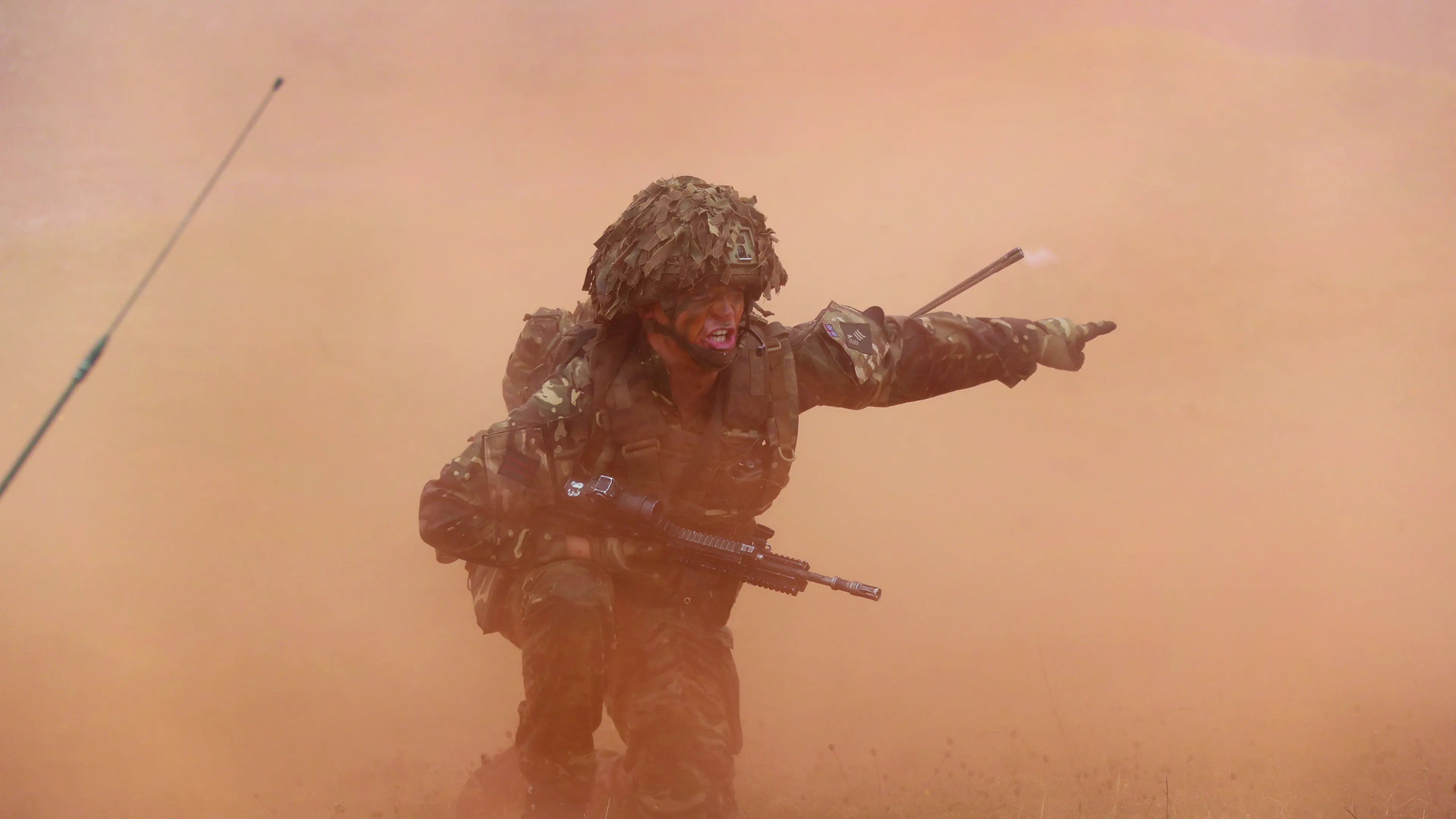
Nav skills can easily be brushed up on individually with a bit of time and effort.
You only need look as far as the newly established NCO Academy to know how seriously the Army takes lower-level leadership these days.
Last month its Command Sergeant Major WO1 Matty Howarth (RE) explained how the modern battlespace is becoming far more complex, with big decisions being taken at lower levels.
Junior ranks will need to step into leadership roles and adapt fast. But what can individuals do to feel more comfortable with the idea of being thrown in at the deep end?
According to Capt Hails, there are plenty of opportunities to be found in any sort of tasking.
"If there's something you can step up and do in a training situation, do it," the officer says.
"Practise now in an environment that will allow for it, for example a section commander may get the chance to step into the role of platoon sergeant.
"Even the most junior soldier with no ambition to promote may surprise themselves, he adds. ÒI think many would be quite shocked at how much they are actually capable of doing once they expose themselves to tasks that are outside their comfort zone," the officer continues.
"A lot of learning comes from simple exposure, and from seeing your peers step up, as well as from being under the command of others."
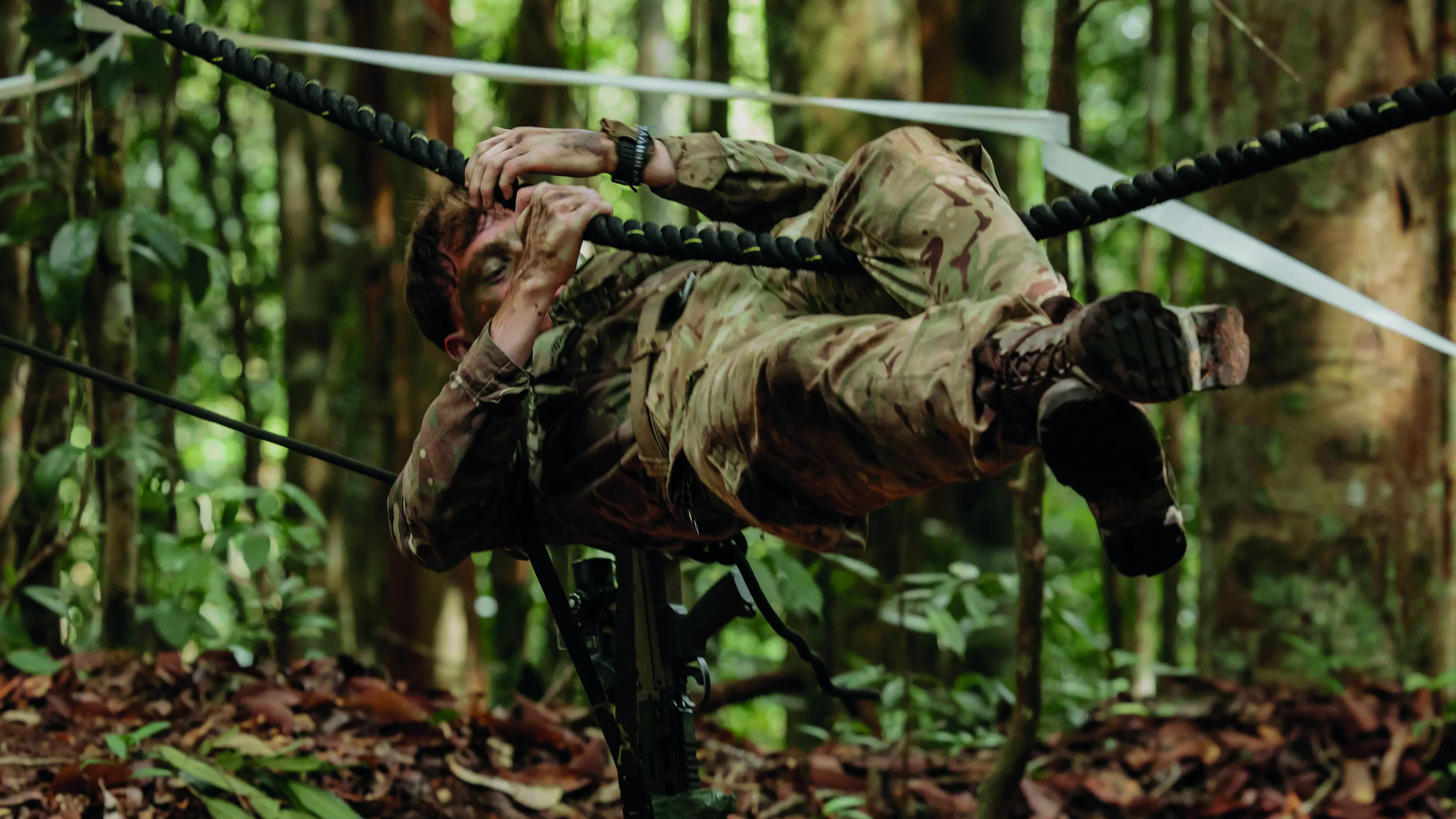
If there's something you can step up and do in a training situation, do it
"We don't want people to cut corners with their planning because that's when we make mistakes," Capt Hails explains.
"But it's about having that ability to act faster on a problem. And you can only do that when you understand the planning process well through practice.
"The more times you have planned, at whatever level, the better you can understand the pinch-points when factoring in new problems.
"Think of it like sets and reps, if you repeat something to the point where you feel really confident, muscle memory kicks in and you can do it with a degree of mental freedom.
"Planning is very specific to role, so speak to your chain of command and tell them you want to improve so they can help identify opportunities."
Adaptability is a familiar trait to most British personnel, with training and global operations already demanding high levels of it.
But there is more troops can do at an individual level.
"You might get told how to sort a problem in certain conditions," Capt Hails says.
"But adaptability is about understanding there are different ways to solve anything.
"If you learnt some new skills and drills in the jungle recently, for example, there is no harm in transferring those to a more conventional European forest setting, adapting what works to that environment as well.
"Trial stuff out and experiment.
"Of course, there will be times you want things to go to the finishing line and succeed with flying colours, for example your Wessex Storm and other such validation exercises.
"But if you're in the early phase of an exercise or course, talk to your platoon commander or company commander and say I'm thinking of doing this, what do you think?"
Getting comfortable with failure in order to learn is important. And for commanders, it's about creating an environment where there is a real willingness to try. While at war, skills like this will allow us to integrate new assets as fast as they are fielded."
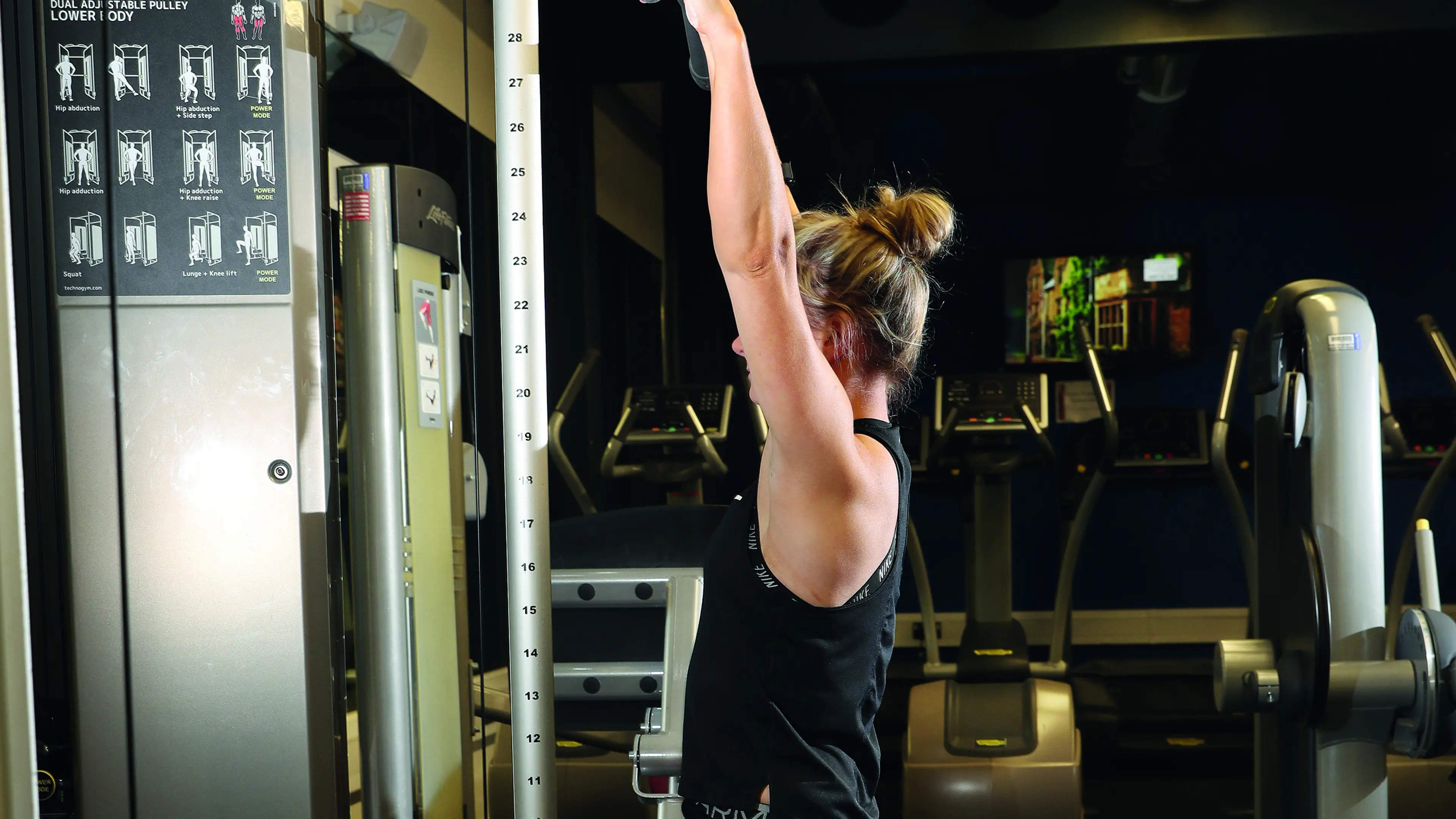
Getting involved with sports at any level can also enhance physical health
The pace of future conventional conflicts will be faster than ever before, with dispersed soldiers having to carry heavy loads on their backs across the battlespace over much longer distances.
So if the Army is to succeed, and personnel are to survive, their bodies must be able to sustain the rigours of these kinds of operations.
SSgt Ryan Clelland (RAPTC) from the training development team at HQ Royal Army Physical Training Corps says: "a good start is for everyone to fully commit to unit fitness sessions and tests, whoever they are."
"Getting involved with sports at any level can also enhance physical health," he adds. "Take advantage of any AT available and make use of experts such as PTIs to assist with your own training."
