
It's said that lance corporal is the hardest rank to reach and the easiest to lose.
Competition is fierce and some struggle to get their heads around the added responsibility.
Luckily, there’s a raft of training in place to set personnel up for promotion success – including the potential non-commissioned officer’s course.
The five-week infantry package covers leadership theory, range sessions and a field phase where troops demonstrate what they’ve learnt in section attacks, casualty evacuations and more.
Here, the Union Division’s latest batch of graduates – whose training took place on the harsh terrain of Otterburn – give the inside track on the biggest challenges they faced during the cadre.
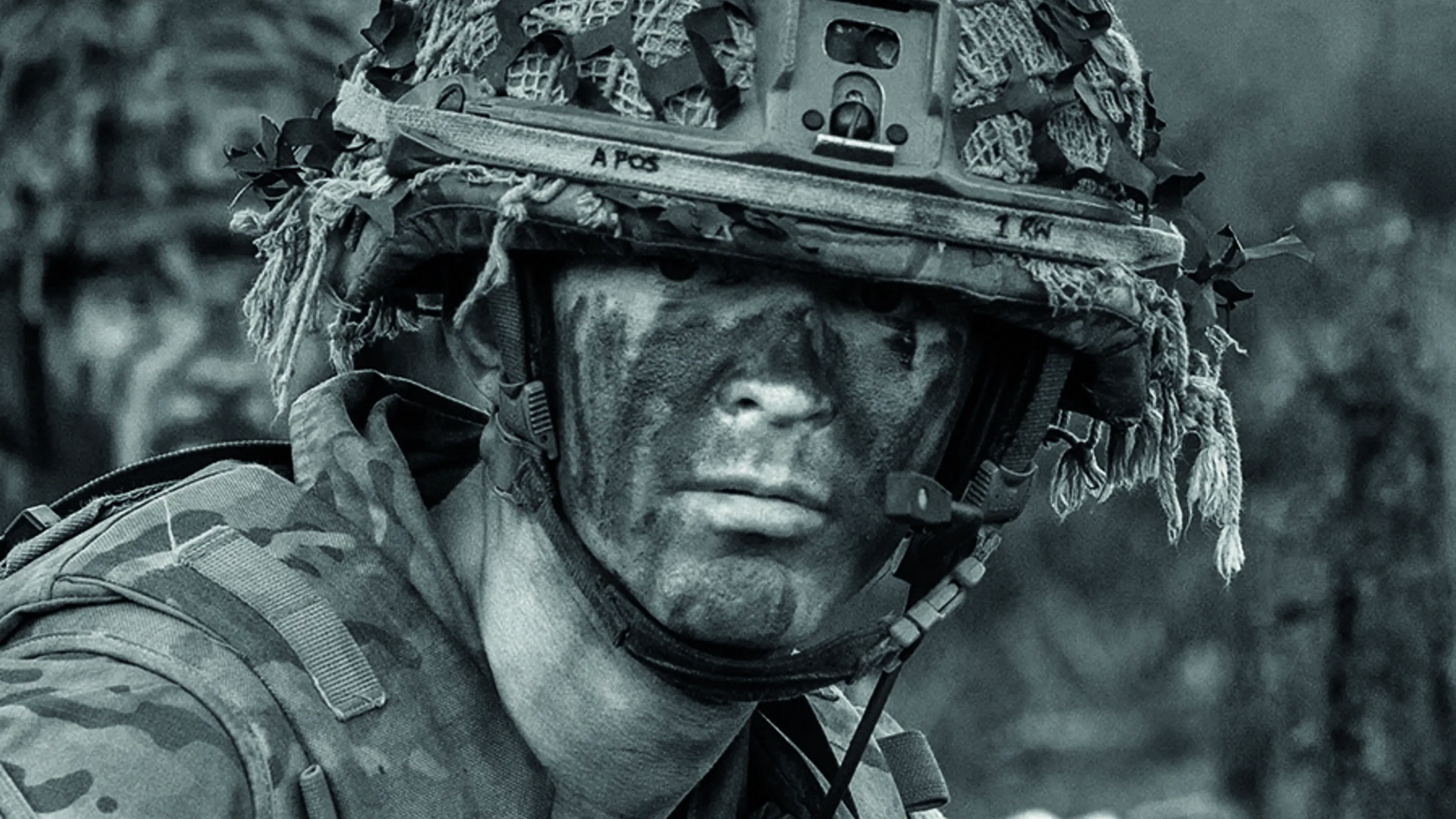
O Keefe
“ Being in the middle of nowhere for five weeks, away from your mates back in your unit is quite hard. You go from living on your own in the block, with time and space to yourself, to sharing with upwards of 12 people while working long hours in one of the most austere training areas in the UK. It’s not something you really do unless you’re deployed, so it’s good to have that exposure early on in your career because it helps prepare you for going on ops. ”
LCpl Carwyn O’Keefe, 1st Battalion, The Royal Welsh
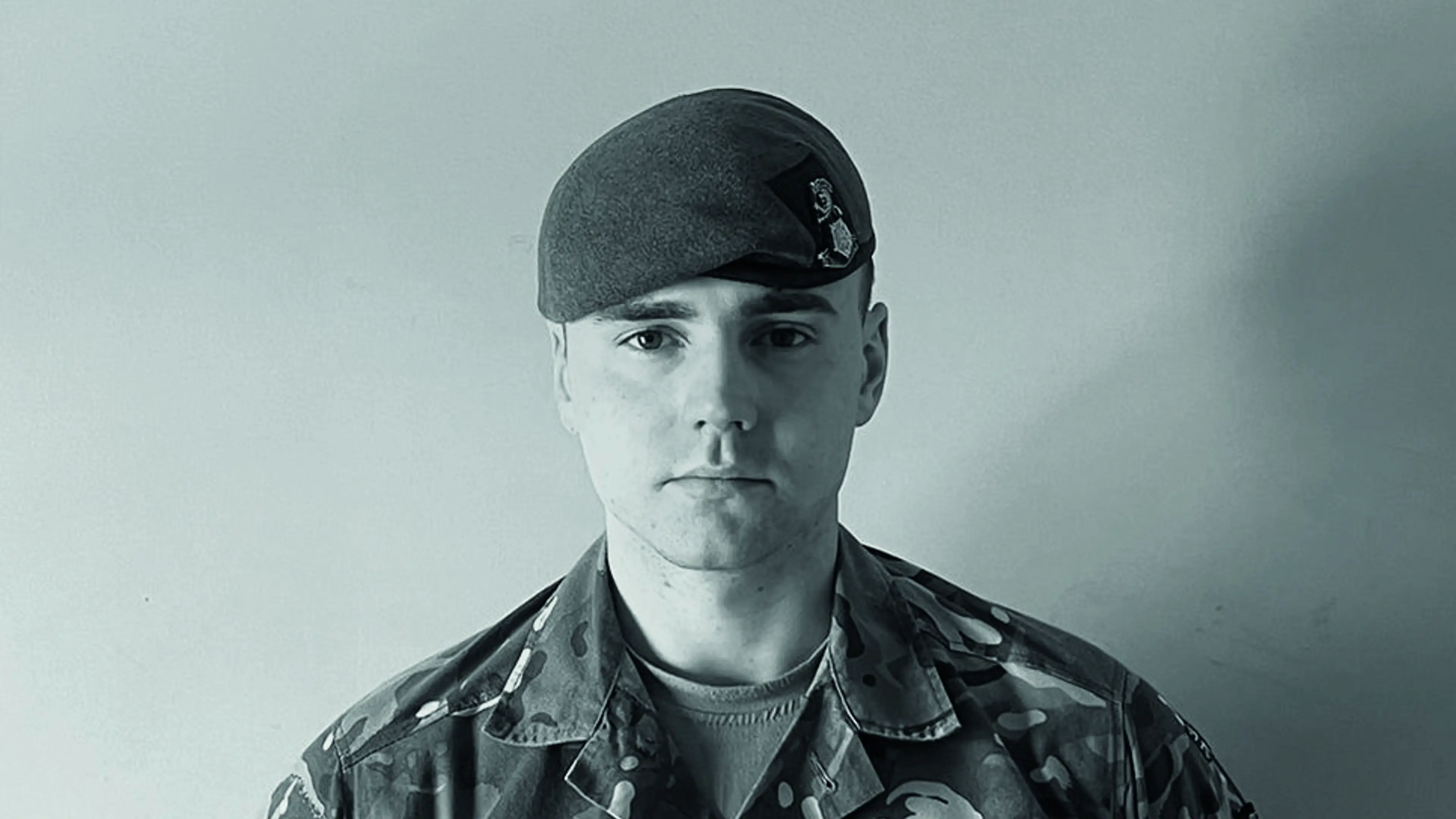
Aden Jacques
“ The duration of the course was tough in itself because it’s just nonstop work, lesson after lesson. You’re constantly multi-tasking and learning new things, while also doing phys and keeping up with admin. It teaches you a lot about time management. ”
LCpl Aden Jacques, 1st Battalion, The Royal Yorkshire Regiment
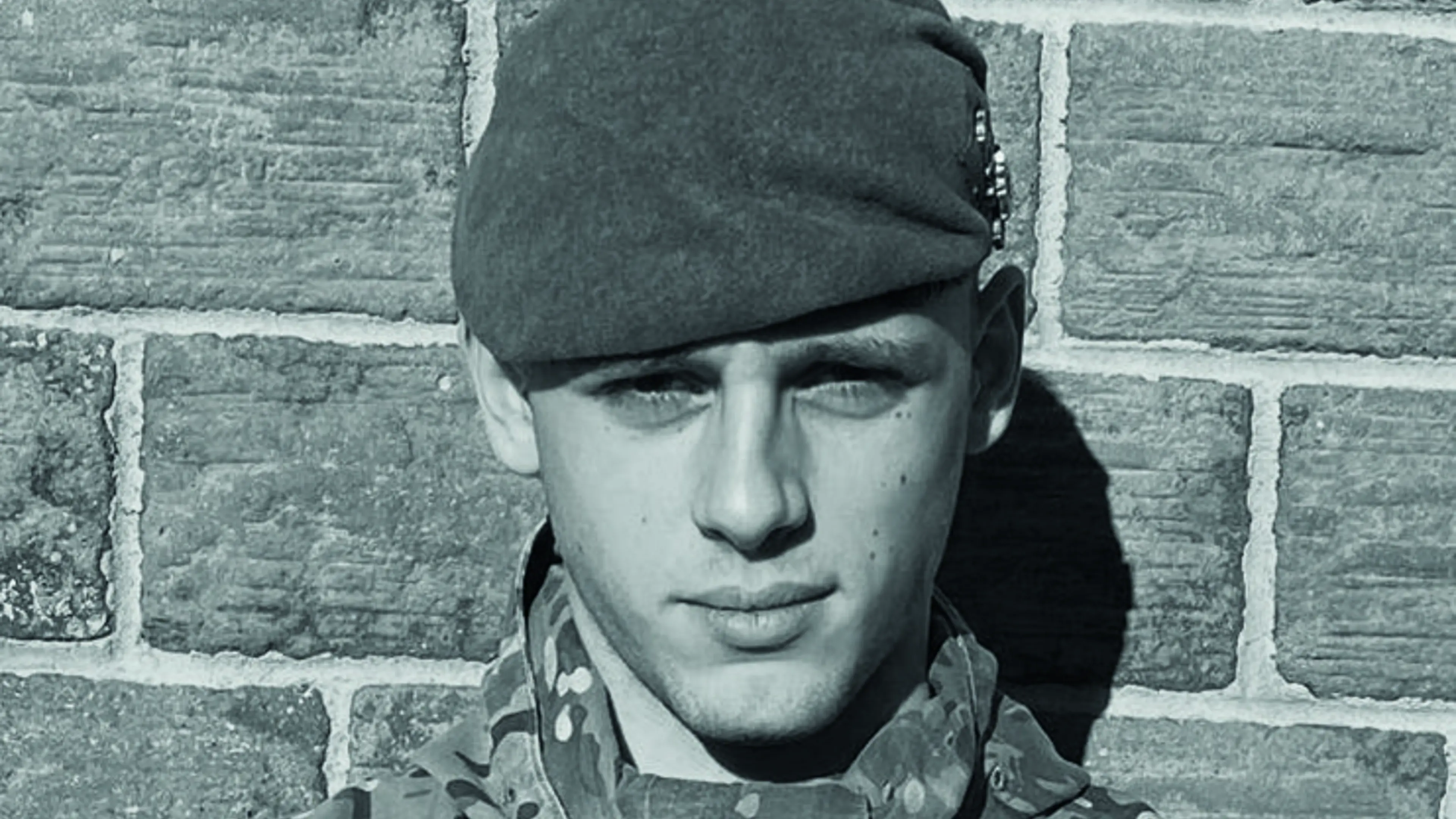
Will Robson
“ It was sometimes hard to stay awake in lessons because we were so busy. The days were long – even in the evenings you’d be prepping for presentations the next day or packing your kit. It’s a big step up – you go from being told what to do all the time to telling people what to do. ”
LCpl Will Robson, 1st Battalion, The Royal Yorkshire Regiment
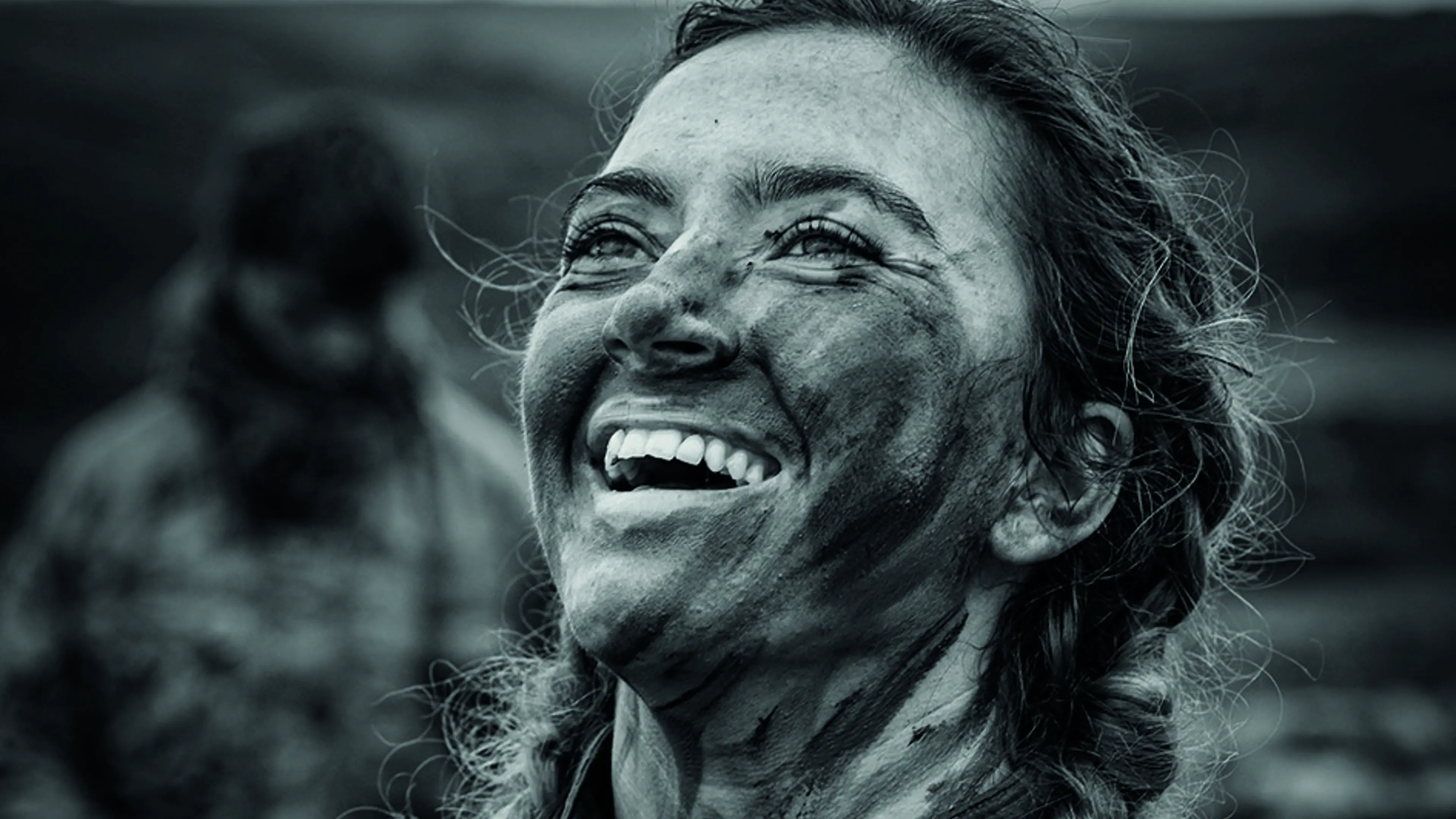
Emslie
“ I found the competition a challenge – and that’s something I face daily. Being a female in the Infantry, the fear of falling back is always there. The course helped me realise my fitness could be a lot better. It got me through, but if I was in a stronger position it would have made life easier. It’s mentally exhausting too. That’s what I’m trained for, though, to engage my mental resilience when needed. I’ve been in the Army almost three years and want to promote and be in a leadership role to help change the narrative so more female leaders in the Infantry become the norm. It will be new to me, but I know all the boys back in camp and we’re all there for each other. ”
Fus Taylor Emslie, 2nd Battalion, The Royal Regiment of Scotland
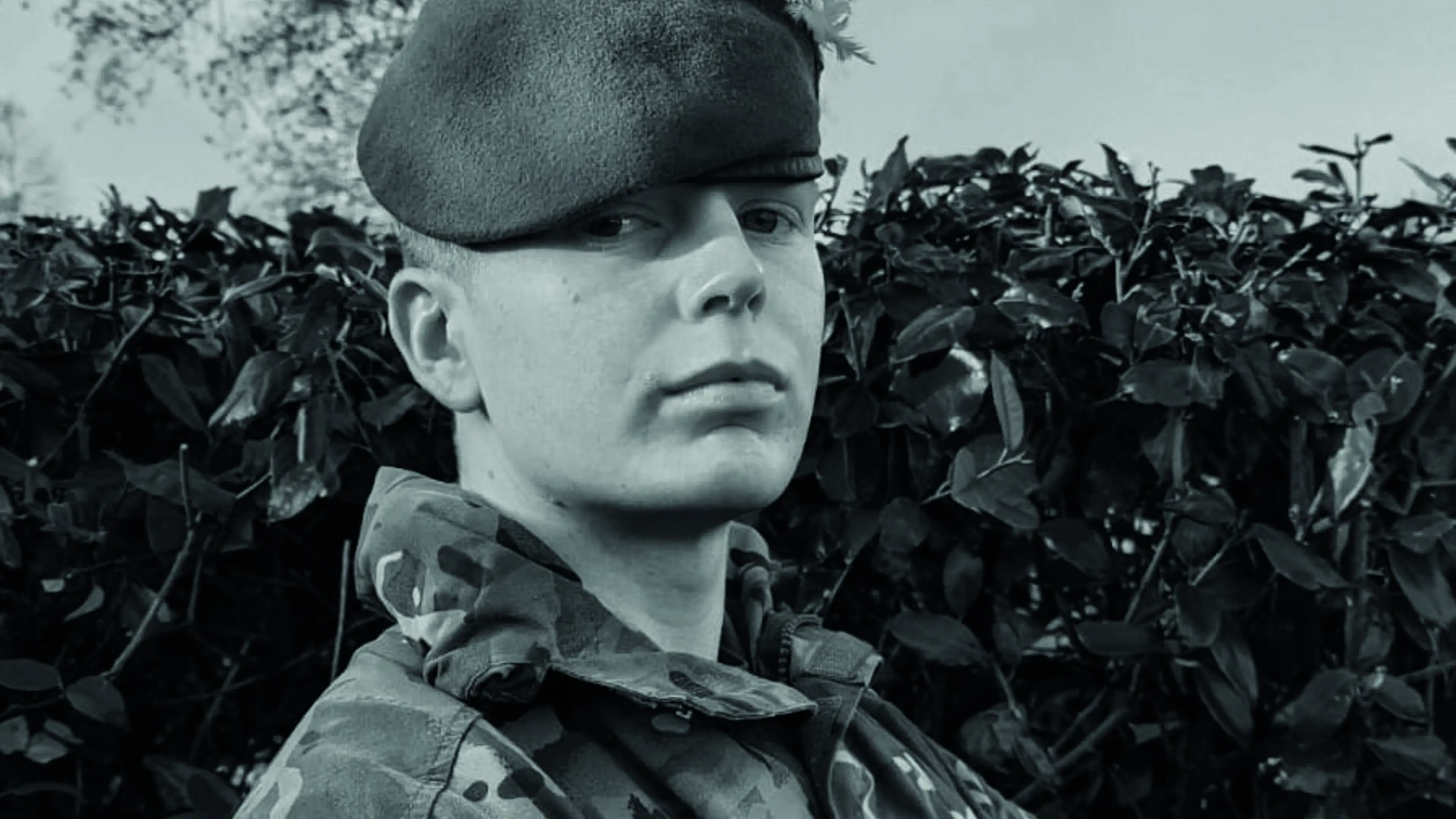
Lcpl Jones
“ Staying mentally sound was difficult – not giving up and sticking through the hard times. In some ways it’s similar to your training in Catterick – you’re doing long hours and you need to be super rigid in terms of your professionalism. I felt I’d prepared myself well – I gradually built up with progressive overload training including running and tabbing as well as nav practice. ”
LCpl Liam Jones, 1st Battalion, The Royal Welsh
Capt Ruaridh Tuach (Scots), OC of the Union Division training team, says these are the areas to brush up on if you want to arrive on the potential NCO course in a good place...
And remember…
