
As lockdown projects go, making a movie is among the more ambitious. But with typical military determination, that’s exactly what former Royal Marines Daniel Shepherd and James Clarke did – from scratch.
Despite having no industry experience, the duo wrote, financed and filmed a feature-length actioner, all for under £1 million.
Almost five years on, Sunray: Fallen Soldier is out on digital platforms and select cinemas across both the UK and America.
It’s the tale of veteran Andrew Coleman, who embarks on a mission to hunt down the drug dealers responsible for his daughter’s death – ably assisted by a loyal band of ex-military colleagues.
With the cast and crew made up of Service leavers, military audiences can expect the skills and drills to be on point, while the underlying theme of PTSD will chime with many.
Soldier caught up with the rookie filmmakers to find out more about their cinematic adventure…
How did this all start?
Shepherd: During the Covid pandemic in 2020, we got together and decided we were going to write a film. We came up with this idea of working with veterans as actors so we found some people who had left the Services and gone into acting. This was even before we had a full story in place so we developed some ideas with them and then wrote the script. Principal photography took place in 2021and 2022.
How did you pay for it?
Shepherd: Initially through a Kickstarter campaign – we made a trailer that we self-funded and raised quite a bit of money through that, which showed there was an audience that wanted it. We also needed other investors to get us over the line because the vision we had grew while we were making the film.
What prior experience did you have in the industry?
Shepherd: We’d always been into film and photography. We would make the troop videos when we were in the Marines. So we had experience with short films but this was our first time doing anything narrative. It was very much outside our comfort zone.
Clarke: One of the best things was getting to see and control the process from the beginning to end. The learning experience has been incredible.
What kind of feedback have you had?
Clarke: We’ve had quite a lot of praise on the scale and quality of the project. People have said that for the budget, it really holds its own. As a first-time filmmaker I’m personally very proud with how it’s turned out.
Did you draw on any military films for inspiration?
Shepherd: Act of Valor, which gets a bad rap for its plot but in terms of the military skills and drills it’s a great film. It was made with the support of the US forces and they used real Navy Seals in the cast.
Clarke: We’re also both big fans of Sicario, which is obviously a very different film but what we took from that is the idea of short sharp action as well as building and releasing tension.
Are you working on anything else?
Clarke: We’re both writing another project in a similar vein, but we can’t say too much about that as it’s currently in the very early stages. We’ll definitely use veterans again. One thing we learnt through Sunray is how many talented and creative people there are in the Armed Forces. From the outside it seems very regimented, with everyone just being told what to do, but when you come into an environment like this you realise that’s not true at all.
What do you want audiences to take from the film?
Shepherd: I want people to have fun and enjoy it – it’s an action film that’s designed to be entertaining. However, I also hope they pick up on the idea that you think you can see what’s going on, but there’s things happening underneath the surface that you might not be aware of.
Clarke: We wanted to shine a light on mental health and also that it’s good to talk – people should reach out for help if they need it.
Any final thoughts?
Shepherd: A nice unintended benefit was that, from early in the process, the veterans involved would come to us and thank us because they’d been looking for that sense of belonging they lost when they left the military and felt like they’d found it again on set. The whole thing was worth it because of that. I’m a big believer in therapy through creativity and finding purpose in something bigger than yourself. To have all of those people, some of whom may have had their own personal struggles, working towards one goal was just amazing.
Clarke: I’d recommend anyone in the military give acting or writing a try – it’s really good for your mental health. Get out of your comfort zone and try something new. There is a power in the arts. n
Interview: Becky Clark, Soldier
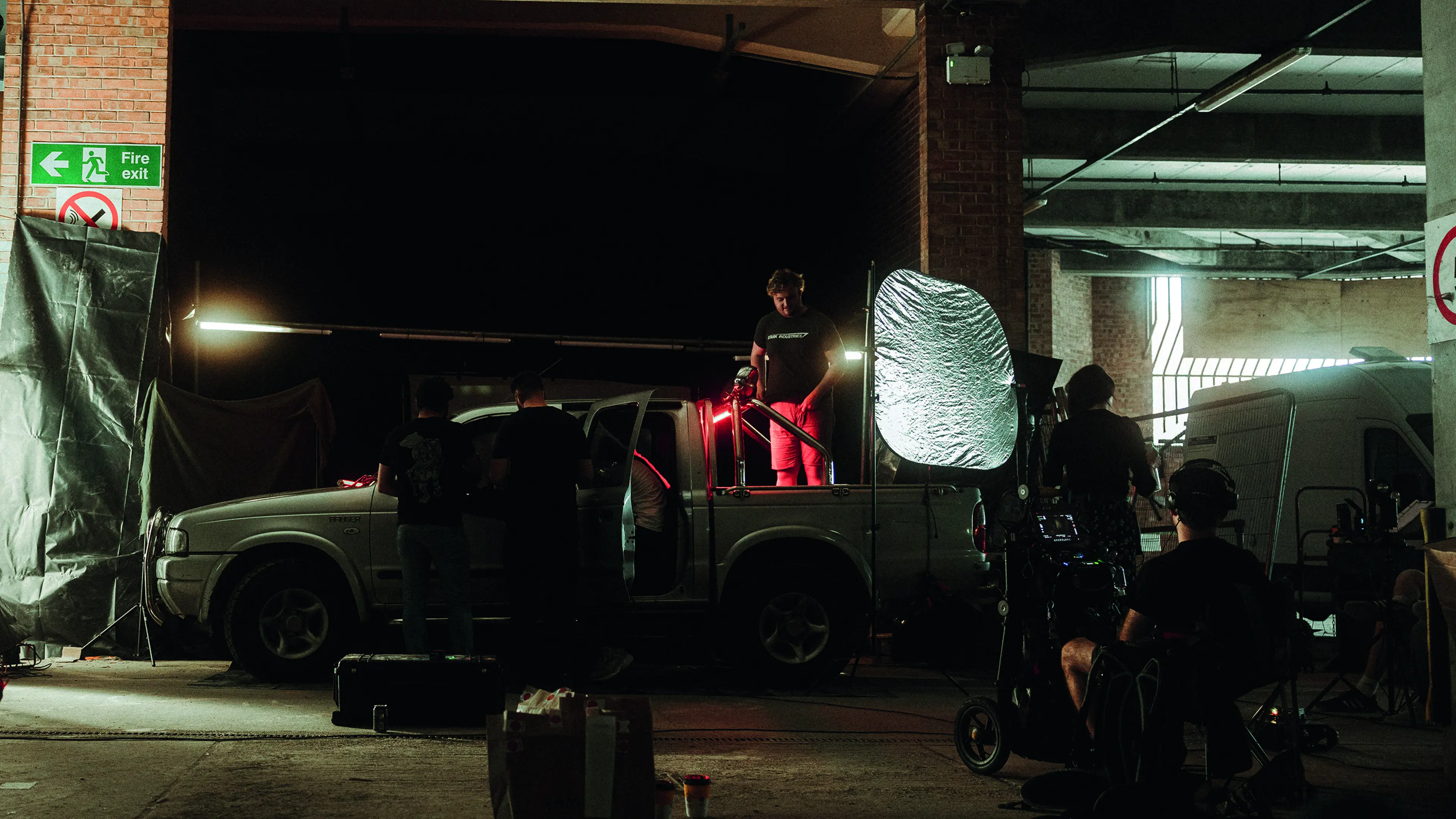
Sunray bts
Out now on PC
IT IS intriguing when games stray beyond entertainment alone and this squad-based outing is one such case in point – with a documentary-like dynamic throughout.
Set at the height of operations in Iraq, Six Days in Fallujah – currently in early access on Steam – recreates an urban action in a major Iraqi city two decades ago.
And it is an impressive piece of work, immersing players in combat situations faced by troops of the era. I was struck – in particular – by how realistically room clearance is simulated. I’m an urban ops instructor and, when applying the real skills and drills, my AI teammates did what I expected.
Elsewhere, the voice acting and environment design are engrossing, pulling you into the role and the situation.
My one gripe is sometimes the enemy feels like it is engaging just to give players something to shoot at when the action starts to drag. This feels a bit forced, breaking from the realism. Overall, however, this is a gem of a game and highly recommended.
Review: Maj Griff James, Coldm Gds
