
It offers a career – and host of life experiences – like no other. But for obvious reasons, the world of elite soldiering remains entirely absent from public view – and not least the pages of this magazine.
As a result, it can be easy for those on the outside to base most of their assumptions on overheard dits or media soundbites.
But as a new year heralds new life goals for many, the chief instructor on the UK Special Forces (UKSF) briefing course has the following message for troops: “There are probably good men and women out there who doubt their own capabilities and think selection is out of reach for them, but if this is a sort of career that interests you do some training and preparation and attend a briefing course,” states the NCO, who must remain anonymous.
“You can attempt them as many times as you want, and you’ll learn a lot about what UKSF do and the different roles available. You will probably learn some things about yourself, too.
“So don’t self-select – turn up and let us select you. If you’re not good enough, you’ll be told. But if you’re still standing at the end there’s a good chance you’ll be successful.”
The course, which must be passed by anyone wanting to go on for selection, is open to Regulars and Reservists of any gender from across all three Services, so long as they have completed basic and initial trade training.
It is a six-day package, held eight times per year, which allows participants to learn more about the qualities that are sought in UKSF soldiers.
“Everything is tailored towards giving prospective candidates a decent idea of whether they are likely to make the cut at selection,” the instructor explains. “We give them a lot of information.”
In order to progress further, those attending are required to pass a 12.8-kilometre assurance march, the UKSF swim test (which includes high water entry from a ten-metre board) and a navigational theory cadre.
And the latter should not be taken lightly by aspiring personnel, as the training boss makes clear.
“All the physical training you do is for nothing if you can’t navigate,” he says.
“Candidates should take some time to revise basic map-reading theory like how to do a resection. We can’t send you out onto the hill unless you can prove you know the basics in a theory test, so don’t waste all that training just to get sent home on day one.”
He adds that the swim test can also catch the unprepared out.
“It’s definitely worth practising breaststroke and treading water in the pool as part of your regular training,” he explains. Candidates also need to be conditioned to carry a Bergan over hilly terrain.
“This is a basic requirement for all the pathways, and if you’re not used to it you open yourself up to injuries.
Footcare is, obviously, a big part of that as well, so learn what works best for you in training and apply it during the course.”
For those who can clear these first few hurdles, the possibilities are many.
There are five ways to serve in UKSF as a Regular soldier – 22 Special Air Service (SAS), the Special Reconnaissance Regiment (SRR) and the Special Boat Service (SBS) being the most well-known units.
However, there are also opportunities to serve in 18 Signal Regiment or as a Special Forces medic.
In addition, there are Reserve options with flexibility within the ranks of 21 SAS, 23 SAS, the SBS Reserve and 18 Signal Regiment Reserve.
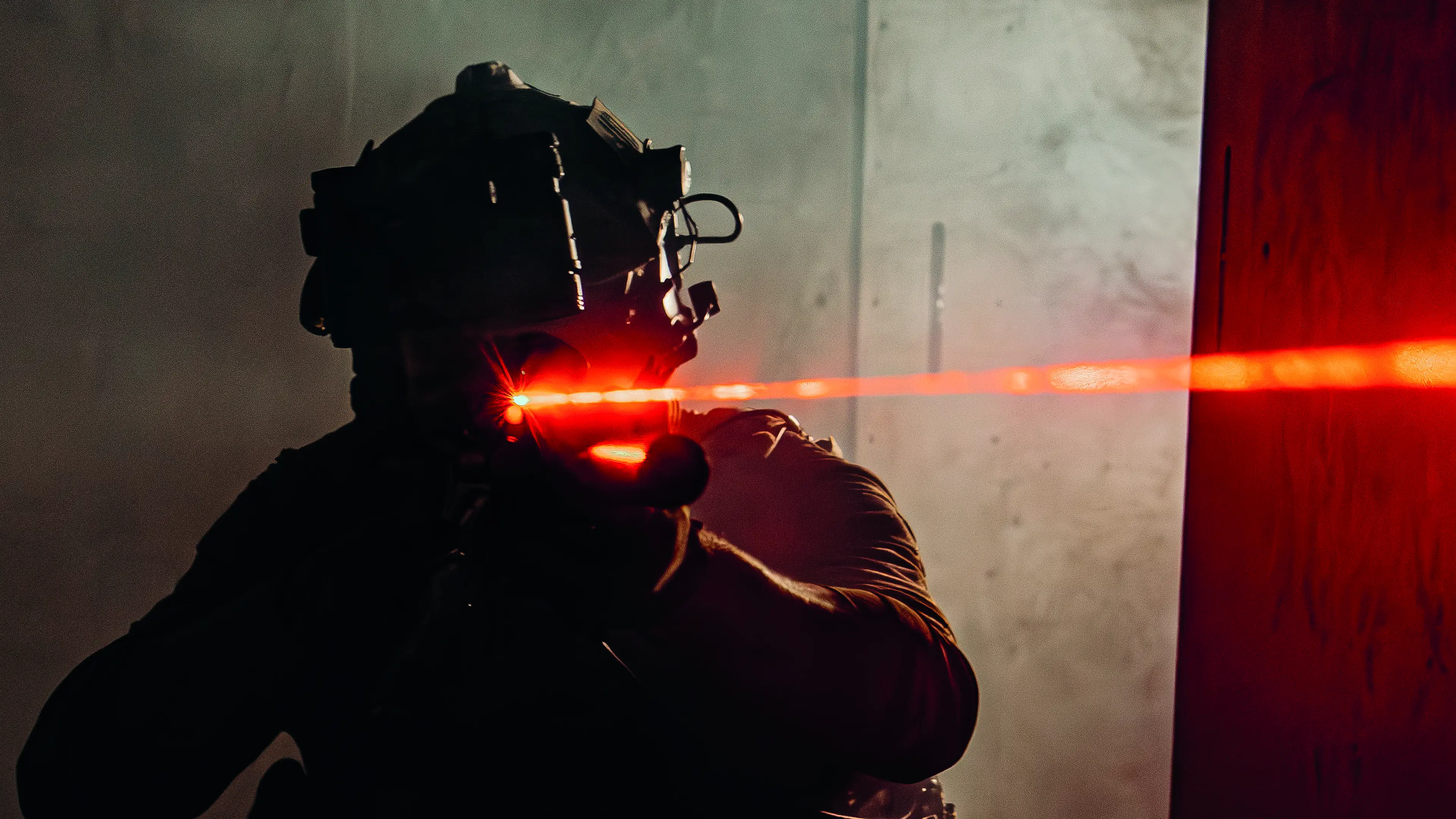
It offers a career – and host of life experiences – like no other.
All of this is outlined on the course, along with details of the considerable benefits available to personnel.
These include extensive operational experiences, numerous chances to serve overseas, a different pay spine to the rest of defence with additional recruitment and retention payments and – of course – access to the best kit and equipment going.
“If you come away from the briefing course with a good pass then you know what you’re doing is working and you’ve got potential to be successful on selection,” the training boss continues.
“If you fail, then you’ll know exactly where you stand, what you need to improve on and the best way to go about it so you can come back stronger next time.”
This pathway is not attainable for everyone but for any Serviceman or woman looking to turbo-boost their career, the message from the UKSF community is clear – come and have a go.
“The briefing course is just a small first step, and a candidate’s result here is only a rough indicator of their potential; there is still a long journey to the end of selection for the successful soldiers,” the instructor says.
“But that’s fine, because we need highly self-motivated people who are willing to do what it takes.”
This year will see UKSF doing a series of roadshows around the country. Find out more here.
What you need to know about the UKSF briefing course...
WHAT IT IS: The first step for anyone wanting to serve in UKSF, Regular or Reserve. Troops must pass this course before starting selection
WHO IS ELIGIBLE: Volunteers of any gender from all three Services who have completed basic and initial trade training
LENGTH: Six days
On completion, candidates are placed in one of three categories:
1: Suitable to continue to next selection
2: Required to attend another briefing course
3: Unsuitable for UKSF service and not to attend again
WHAT NEXT: The briefing course gives personnel an understanding of the various units which make up UKSF and what they do. If successful, candidates decide which unit is best for them. They must then start their chosen selection pathway within 12 months of attending
COURSE NAME
BC 25/01 February 2-7
BC 25/02 March 9-14
BC 25/03 April 6-11
BC 25/04 May 11-16
BC 25/05 June 8-13
BC 25/06 September 7-12
BC 25/07 October 19-24
BC 25/08 November 16-21
WHAT NEXT: The briefing course gives personnel an understanding of the various units which make up UKSF and what they do. If successful, candidates decide which unit is best for them. They must then start their chosen selection pathway within 12 months of attending
