
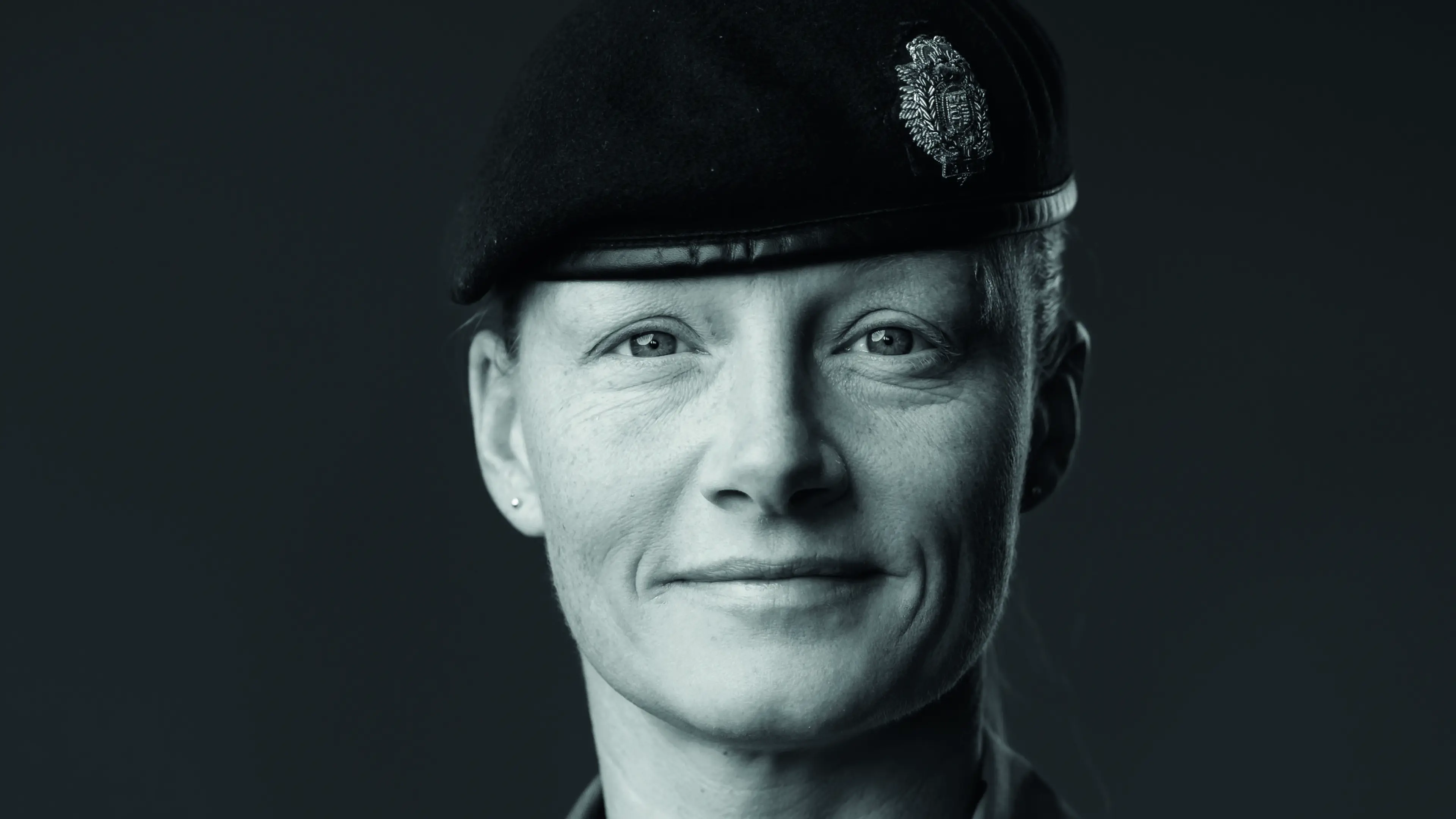
Brig Sarah Pringle-Smith (above) was a CO in the Royal Military Police when the network began, and was initially nervous about how it would be received. But it went on to transform her as a leader...
“A senior officer once told me ‘to succeed in the army you have to behave like a man’ and I spent a good part of my career fitting in, trying not to be recognised as a woman.
Some of the leadership qualities I have, such as empathy and emotional intelligence, weren’t championed. They were termed ‘soft skills’, but leadership comes in many forms.
The network allowed me to unshackle myself from being the leader I thought the army wanted, to the one I am. And that was liberating.
I was able to celebrate the strengths I bring as a woman, and not disguise myself.
In the beginning it was all about raising awareness of the issues affecting women, and creating a forum for them to share their ideas for betterment. It also gave a single voice to policy makers about where improvements could be made.
I think people felt a bit hesitant and sceptical to start with, but we saw exponential growth once word got out that it wasn’t a militant feminist organisation.
It was a group of people with very real concerns who needed a platform.
We began around the same time as the ban on women in ground close combat roles was lifted, and we were able to contribute to conversations on all things – from how you refer to female personnel in a particular role, to what uniform or mess kit they wear to how to transform culture within units.
Changing perceptions is always hard. The army was built with a particular soldier in mind and needed to modernise itself – that takes time.
But diversity is everyone’s business to understand so they can command and lead all of our people appropriately.
The impassioned, capable women who run the network now do it in their spare time, at great personal sacrifice.
I commend them for it – it can be hard work and emotionally exhausting. I didn’t know I needed it until we’d established it.”
Capt Sheridan Lucas (RLC) is a former co-chair of the body and says it can be a place for people to turn to in dark times...
“I've always been part of the network, but I leaned into it heavily after I became the first female company sergeant major at the Infantry Training Centre in Catterick.
It was about making sure the young women going through training at that time knew where to go for help, because they were obviously about to be quite isolated within their work departments.
They were so brave – walking any untrodden ground means putting yourself out there and it’s tough. I wanted to make sure they had the right support.
Anyone can go on the Facebook group and ask any question, anonymously, and the people running it will get back to you.
I believe, hand on heart, that this network will have saved lives because when I was involved as co-chair messages would come into the inbox from people who were in a dark place and didn’t know who to turn to. We were able to signpost and get them looked after.
If I didn’t know who to reach out to it would be my first port of call – there are women from all backgrounds, trades and cap badges who have been through different experiences and can help.
I’d encourage all servicewomen to join – even if they don’t think they’ll get anything from it, one of their soldiers might and as leaders we all need to be looking after people.
That’s why I also tell all commanding officers, male or female, to attend the conferences. If you command women you need to know what they’re thinking and feeling. We are in a minority and we always will be in the army.
The network gives us a platform to instigate discussions and without people being part of those conversations – about kit, women’s health or whatever – nothing ever changes.”
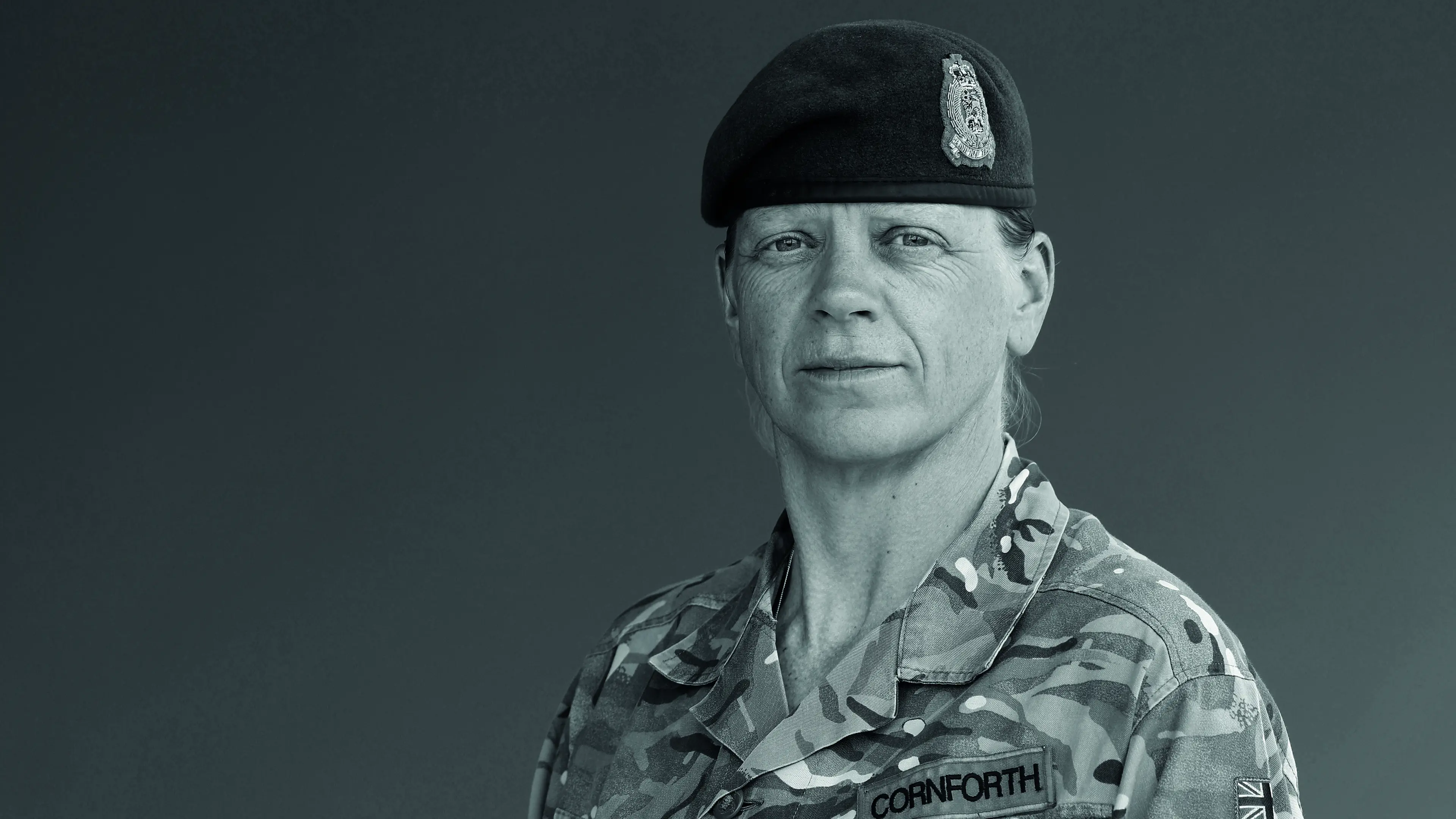
Soon to become the first ever female RSM at AFC Harrogate, WO1 Hayley Cornforth (AGC (SPS)) says the network opened her mind...
“I didn't want to get pregnant and I didn’t want to be on drugs – those were the options for me growing up in Teesside. So I joined the army.
Being a female, serving in the Adjutant General’s Corps and being a clerk, I felt there were certain expectations. Obviously, I was just a pen pusher! So I decided quite early on that I was going to make a point of being at the front.
I’m quite headstrong and I thought ‘no - I will be fit, I will push myself to be great at everything I do, and make myself someone people come to if they need something’.
I thew myself into courses like skill at arms, drill, live-fire tactical training; it was all about proving I could do what the guys did. And, to be honest, it’s been like that through my career – always having pushback and having to do more.
Ten years ago I heard the network had been set up, and I didn’t really want to be part of it. I felt it wasn’t something I particularly needed, but I could see some might benefit.
I took my role as an instructor seriously, and I wanted to prove to other women they could be really good at what they did, so I asked to join the committee.
I come from a place where if you didn’t look after yourself, you didn’t get looked after. But through the network, I came to realise that we are not all built the same.
When I saw other women struggling sometimes in PT, I used to think things like ‘come on, let’s go’. I used to wonder why some struggled. But there’s more to it than that. Perhaps they were recovering from an injury but couldn’t find their voice to say so. For many women in the army, that’s what it’s about, finding your voice to ask or to speak up.
Just because we are in the same sort of job, doesn’t mean we have to be looked after in exactly the same way. I am more empathetic now, and over the last decade the network has helped me grow – not just as a person but as a leader as well.
It has your back, gives guidance, and helps women realise that they are not alone. I encourage everyone to join and advocate for their servicewomen.”
How the network has ensured women’s voices were heard over the years...
Women in combat
Members helped shape the army’s approach when the ban on female troops serving in close combat roles was lifted in 2016-18.
Kit
Better fitting body armour and uniform, plus issued sports bras, were among the improvements that the network helped to lobby for.
Health
Members helped to start more open conversation around female issues such as periods and menopause.
Family
Pregnancy and breastfeeding support, parental leave, childcare, flexible working and dual-serving couple policies have all been updated thanks to the ASN.
Behaviour
The network is helping the army tackle widespread allegations of sexual misconduct, assisting with policy on unacceptable behaviours and more training for troops.
Get involved
Join the Army Servicewomen’s Network Facebook group, follow them on Instagram or head to their Defence Connect page.
