A man is seriously ill on the most remote inhabited island on the planet.
His oxygen supply is running out fast, but there is no air strip on this tiny British territory in the middle of the South Atlantic. And it’s a six-day sea voyage to get there from either Cape Town or the Falklands.
Who do you call in to help? The British military, of course.
But when this dramatic mission unfolded amid a flurry of media attention last month, there were nothing but cool heads behind the scenes. Here, the personnel involved talk Soldier through the highs and lows of the complex operation and how their first-class training enabled them to pull off an airborne first…
As the UK sleeps, a late-night call comes through to Major Sam Kennedy (RLC) at RAF Brize Norton in Oxfordshire.
There is a medical emergency on the tiny island of Tristan da Cunha, where a British national is thought to have contracted hantavirus, a life threatening illness..
With a population of just 220, clinical supplies there cannot hold out much longer.
Kit – in particular, oxygen, controlled drugs and those qualified to administer them – must arrive fast.
As the armed forces’ only equipment drop capability, the spotlight is on 47 Air Despatch Squadron, Royal Logistic Corps to see what its specialists make of an intriguing plan being cooked up across defence.
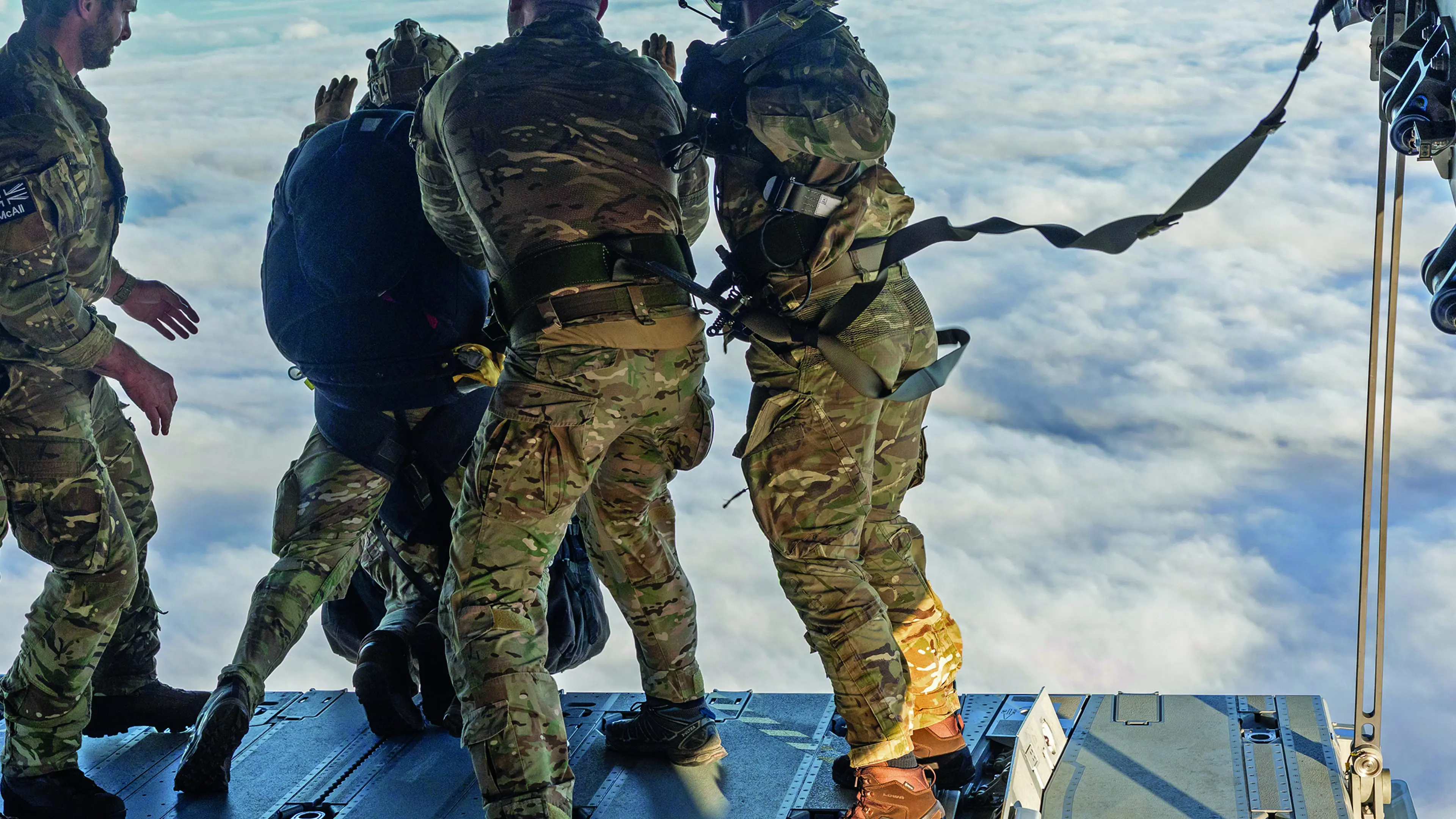
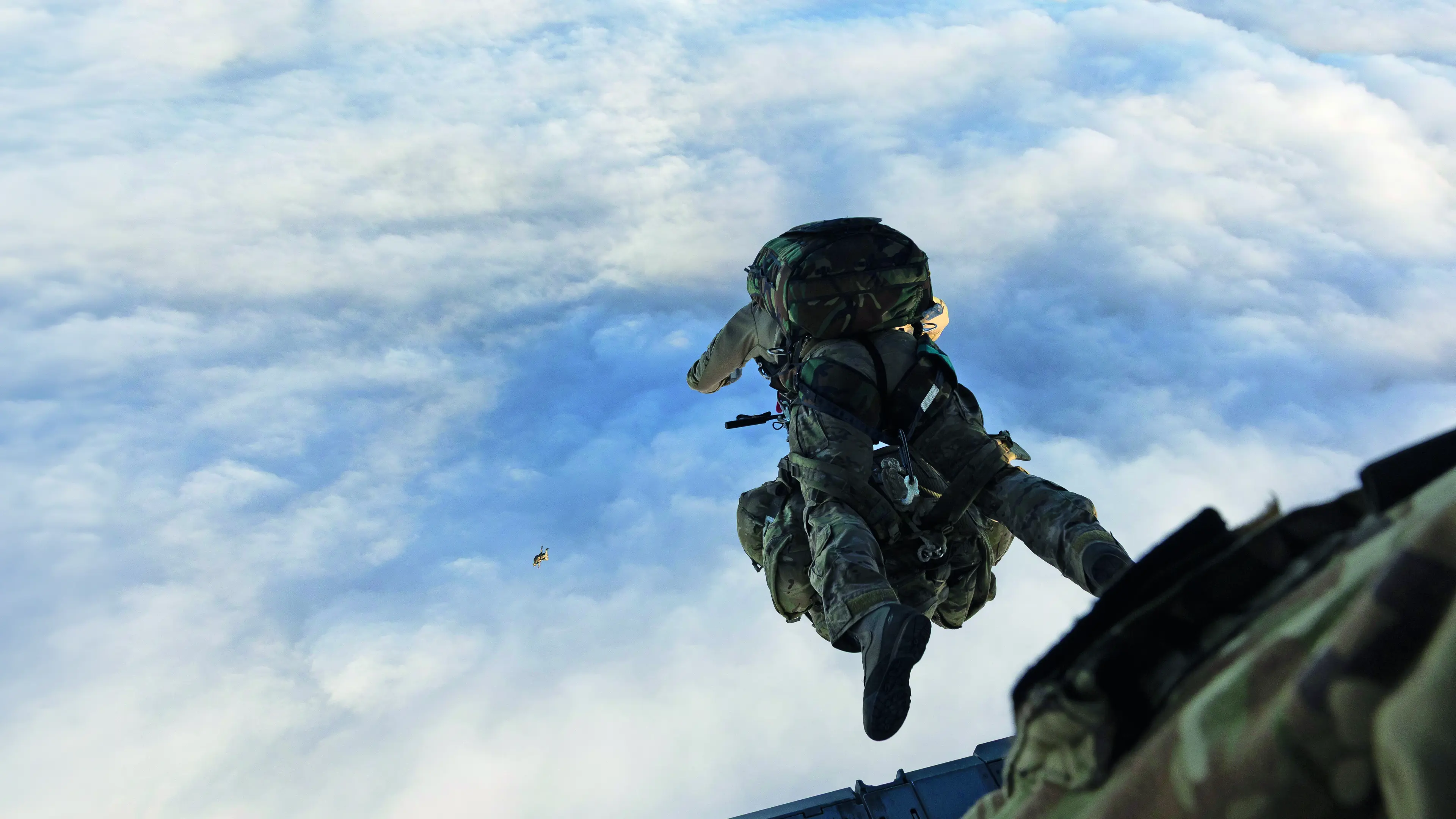
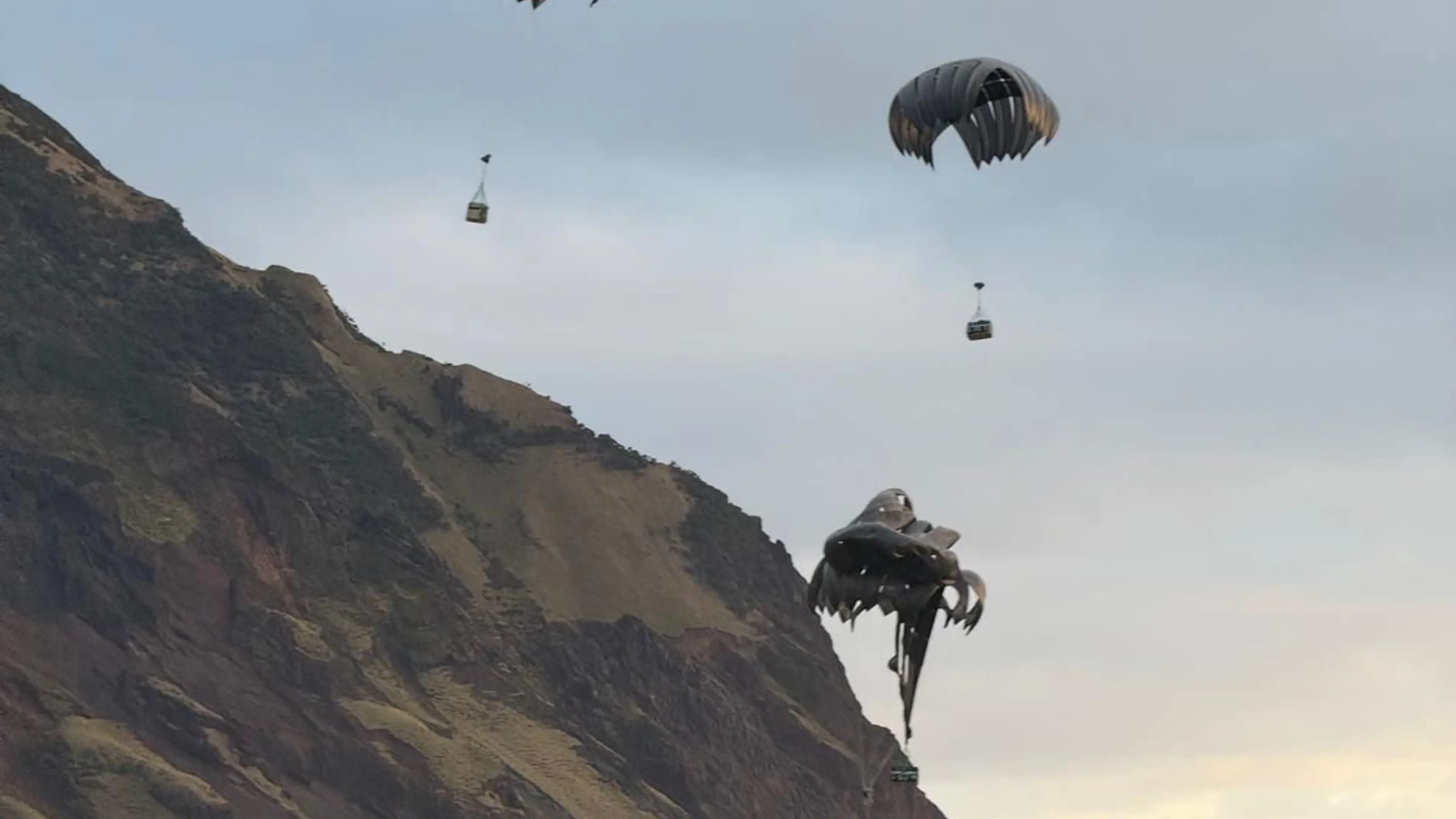
Six Pathfinders from 16 Air Assault Brigade will be parachuted onto the island, a couple of medics attached to them, followed by crates of lifesaving medical kit.
But can the Brize-based loggies sort, pack, deliver and drop everything required in a matter of hours?
As night-time phone calls race between Government departments, their Officer Commanding is in little doubt – this is exactly the kind of tasking his team have trained for.
“My initial reaction was, yes, we could pull this off,” Major Kennedy told the magazine.
“Everyone came together to make it happen – it was the most incredible display by all involved.”
Corporal Will Bailey (RLC), who oversaw the drops on what was his first mission since qualifying as an air despatch commander, agreed.
“This is what we do, day in, day out,” he explained. “So when it comes to a live drop, you’re so well prepared that it’s just another sortie. All your training is there and there’s no real reason to have any qualms.
“But obviously it’s nice when someone is on the receiving end – it doesn’t mean as much when you’re just dropping supplies over Salisbury Plain.
“There were no nerves – just excitement we were getting to deliver vital items.” And deliver they did. The 10,000-kilometre, 16-hour journey required two platforms – a Royal Air Force A400M for dropping the paratroopers, medics and supplies, plus a Voyager aircraft for air-to-air refuelling.
The tasking also had to include an overnight stop at Ascension Island for mission prep and repacking.