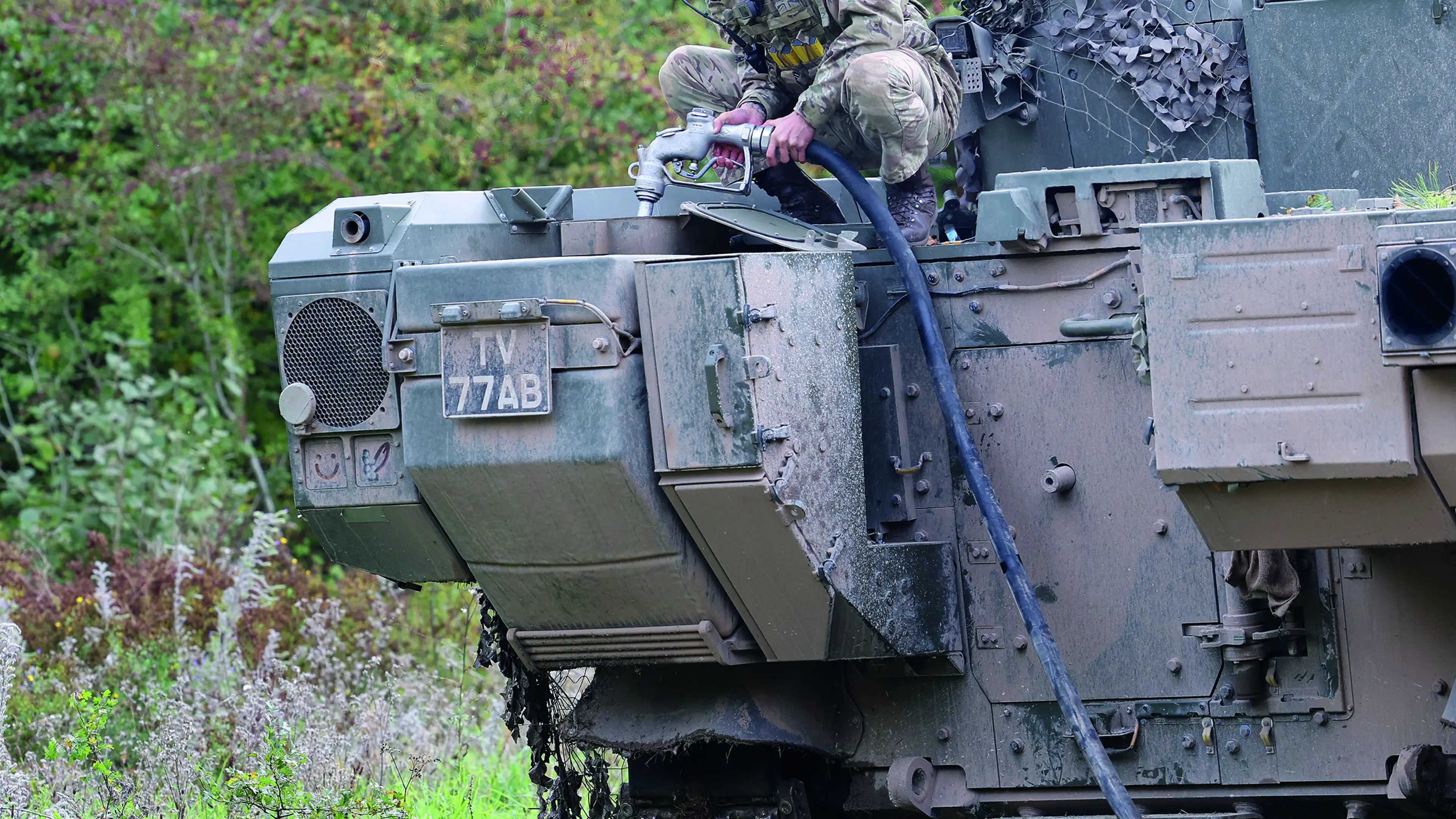
Updating troops, Minister for Defence Readiness and Industry, Luke Pollard, said causes included “technical issues relating to platform conditions at the time of the exercise – such as incorrect track tension and loose or missing engine deck bolts – alongside environmental and human factors, including variability in training and experience, cold exposure, and air quality within the vehicle”.
An independent expert panel review was also due to report as this magazine was compiled.
“All personnel have now returned to normal duties,” the politician confirmed. “The majority of soldiers who felt ill during this exercise suffered from temporary symptoms and with the ASIT report concluding there was no single causal factor.”
He continued: “I accept that the experience for our soldiers using Ajax has not been good enough. I have implemented strict new controls on the reintroduction of the vehicles that is focused on providing a significantly improved user experience.”
The 23 platforms involved in the incident will be treated separately, he added.
“We have been engaging extensively and directly with our soldiers throughout this process – their experiences matter and they are shaping much of what we do next,” Pollard said.
“As a result, we are considering a phased approach to restarting the programme.
“The first will include using the current version of Ajax. A limited number of vehicles will be used and under very controlled circumstances and maintenance regimes. The second will see a number of significant enhancements.
That will include improvements for soldiers relating to the use of air filtration, crew compartment heating and the electrical power generation system – key themes identified following Exercise Titan Storm.
“In addition, we are also further bolstering the safety approach to the programme, never before seen for an army land vehicle. This work has already begun with an approach modelled on the aviation industry to instil a common thread between design, maintenance and operation.
“Included as part of that, there will be named individuals within the army chain of command who will hold the separate responsibilities for operating and maintaining the vehicle.
“This is to ensure there cannot be instances where desire to operate a vehicle compromises the necessity for the highest standards of safety.” The minister said the above would all be met within the programme's existing scope and finances.