
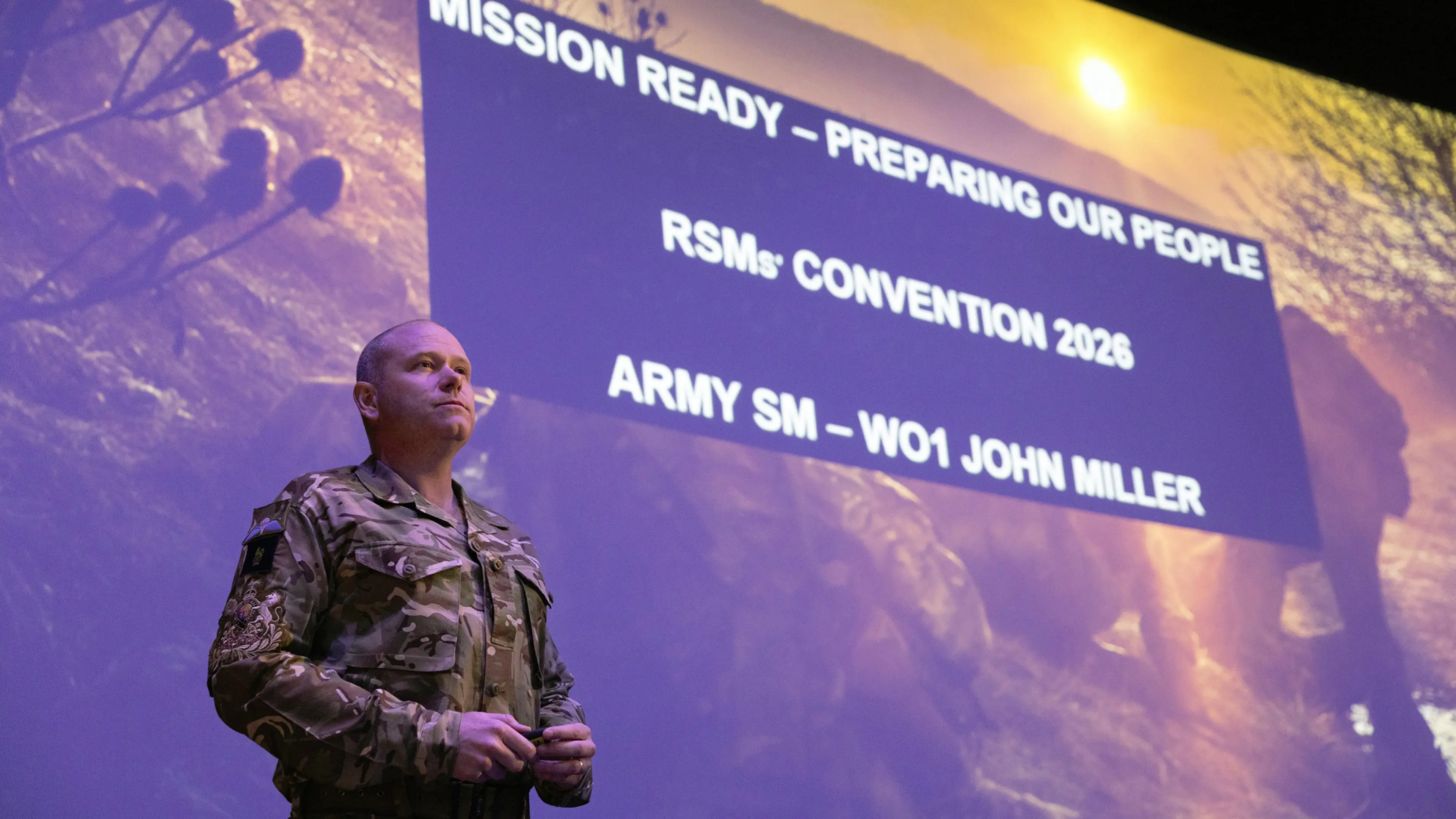
When you speak to as many different people as I do, it doesn’t take long to realise the high esteem in which the British Non-Commissioned Officer (NCO) is held.
Not just in this country; travel to some far-flung places and you will hear the same. We have a hard-won reputation for soldiering skill and leadership acumen, and other nations ask for our Non-Commissioned Officers to train their troops.
Since taking up this job I have wanted our young soldiers to get greater recognition – particularly those experiencing command for the first time.
Last month, we presented the first Fitzgibbon Award at Sandhurst to recognise excellence at the junior end of the chain of command. Click here to read more.
The response was tremendous. Many candidates were put forward and we created a shortlist of 15 from which we chose the eventual winner.
In parallel with this, I am introducing something called the NCO Creed – a document that all soldiers will receive when they become a substantive Lance Corporal. It bears a statement that underscores their importance as a leader and the expectations on them, as well as a pledge for how they will conduct themselves.
This will be presented in a frame, in the same way as Warrant Officer Class Two's are handed royal warrants and officers commissions.
The US Army has a similar initiative. It is a formal way of marking a new era in your career and I hope it helps new NCOs think about their achievements.
Soldiering is a demanding job. There are expectations upon us that most never have to shoulder, and not only on ops but in times of need, as we saw during Covid. In all cases, junior commanders make a critical difference. It’s important we recognise them.
Finally, it is a given we should all make our voice heard when we think there’s a problem of any kind. But doing it in the right way is important, so I have also introduced the Challenge Triangle – a decision-making model that shows how to speak up confidently and proportionately.
I’d like everyone to ensure they are comfortable using it. Read more on the Centre for Army Leadership page on the Army Knowledge Exchange.
